AI is already in your workplace. Is your business HR ready?
Posted on
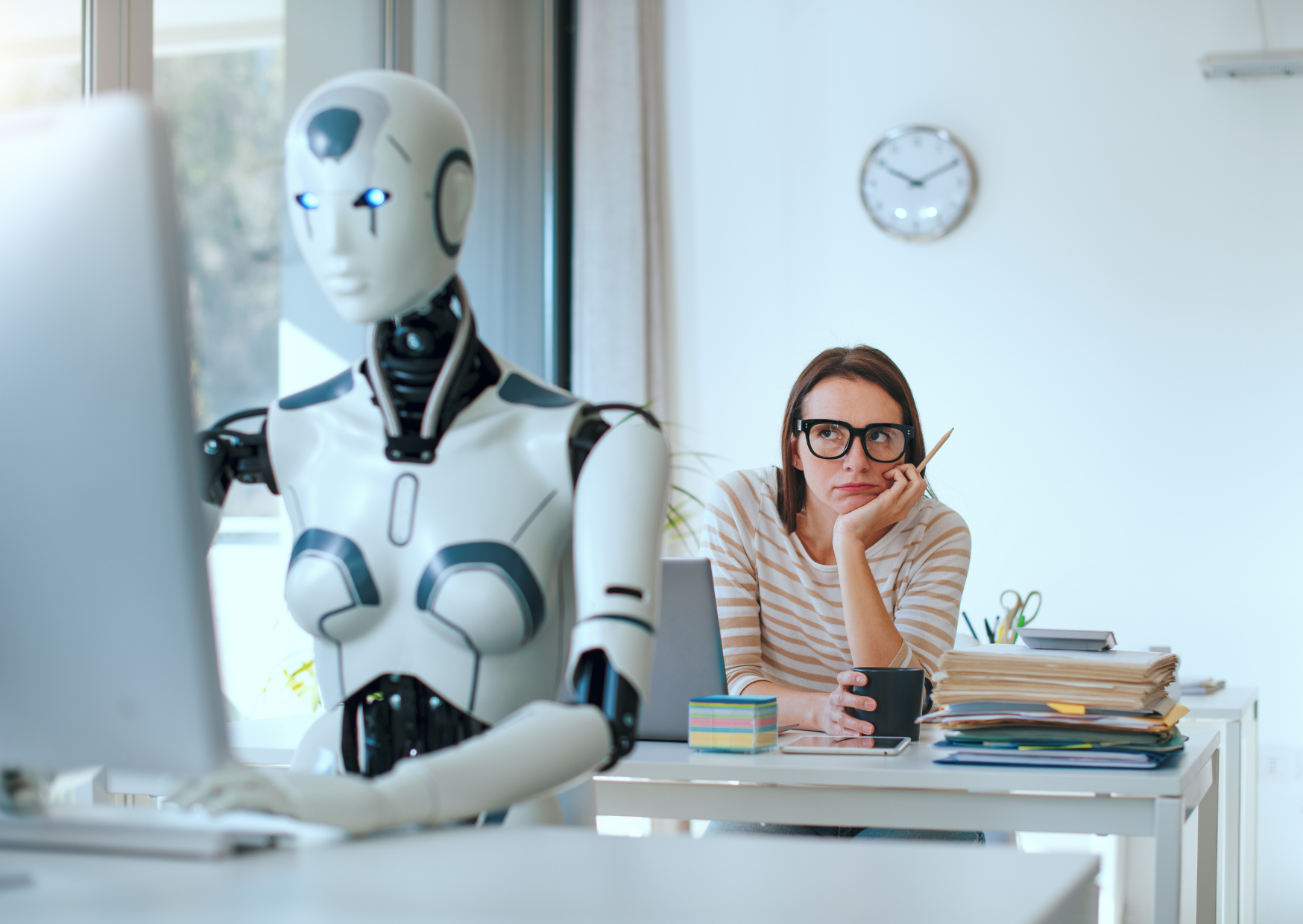
Artificial intelligence is not a distant prospect for employers. It is already changing how businesses handle administration, recruitment, communications and decision-making. At HR2day, we speak to business owners who still see AI as something for the future, a misconception that can leave organisations exposed to risks they have not yet considered.
The question is no longer simply whether AI is being used, but whether it is being used safely, responsibly and in a way that protects both the business and its people. The technology offers significant opportunities to improve productivity, but responsible use is essential. One of the biggest challenges is ‘shadow AI’, where employees use AI tools without formal approval or oversight. Without clear guidance, businesses may be unaware of how these tools are being used or how much reliance is being placed on their outputs.
Human expertise must remain at the centre of AI
One example illustrates the consequences of relying on AI without appropriate checks. An employee used AI software to calculate measurements for a building project, believing it would provide a quick and efficient answer. With no formal controls or guidance in place, the generated measurements were included in a report without manual verification or professional review.
The measurements were inaccurate. Because human judgement and oversight had been removed from the process, the errors went unnoticed until later, resulting in financial losses, project delays and reputational damage. The lesson is clear: AI should support human expertise, not replace it. Its outputs need appropriate validation before they are relied upon.
A clear approach to responsible AI use
Organisations generally take one of three approaches: banning AI, allowing controlled use through approved systems, or embracing it across multiple business functions. An outright ban is rarely effective, while the right approach depends on the organisation, its workforce and its risk profile. Whatever route a business chooses, a lack of policies, training and governance can create legal, operational and reputational risks.
Effective management includes risk or impact assessments, clear governance, practical policies and training, supported by continuous review. These safeguards help businesses pursue the efficiency and innovation AI offers while recognising the responsibilities that come with it.
Keeping workplace processes fair and consistent
At HR2day, we have seen a sharp increase in employees using AI to prepare grievances and responses to disciplinary or performance improvement processes. What might once have been a two-page grievance can become a twenty-page letter referencing employment law and potential claims. For employers, the answer should not simply be to move towards a settlement agreement. Equipping line managers and HR teams with the knowledge to handle these situations helps maintain a fair and consistent process, regardless of whether AI was used to prepare the documents.
The organisations best placed to gain value from AI will be those that use it responsibly and transparently, with appropriate human oversight. Clear expectations and ongoing support can help employers benefit from the technology without losing sight of the people and expertise behind their business.
To discuss how HR2day can support responsible AI use in your workplace, please contact Aiden Taylor or another member of our team.